Data-Driven Pedals: How Technology Transforms Indoor Cycling into a Personalised Fitness Science
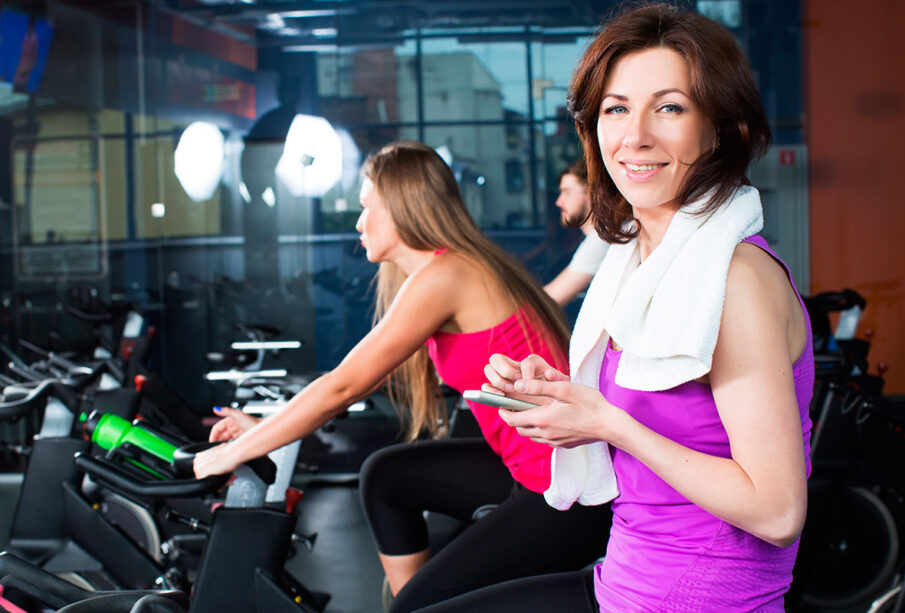
In today’s fitness culture, data isn’t just a trend—it’s a tool for transformation. Technology has revolutionised how people train, track progress, and sustain motivation. Among all modern fitness disciplines, indoor cycling Singapore stands out for its seamless integration of digital precision and physical performance. What was once a simple rhythmic ride is now an intelligent, feedback-driven experience that personalises every pedal stroke.
From Manual Resistance to Intelligent Training
Traditional spin sessions relied primarily on instructor cues and personal perception of effort. Modern studios, however, have moved beyond intuition. Digital consoles and sensor-based bikes now measure cadence, power output, heart rate, and resistance in real time. Riders no longer have to guess whether they’re working hard enough—the data tells them exactly where they stand.
These insights transform indoor cycling into a science-based practice. Each rider’s performance is quantified, allowing adjustments that enhance efficiency. For example, monitoring wattage output helps riders stay within optimal training zones, ensuring they hit their targets without overtraining or underperforming.
The Role of Wearables and Performance Metrics
Wearable devices such as smartwatches, heart-rate monitors, and cycling trackers integrate seamlessly with studio systems. These tools collect key physiological data points including:
-
Heart rate zones: Determine aerobic and anaerobic capacity.
-
Caloric burn rate: Estimate energy expenditure per session.
-
Cadence: Track rhythm and muscle engagement efficiency.
-
Power (watts): Quantify mechanical energy output.
Over time, analysing these patterns allows cyclists to understand their progress objectively. Whether someone’s goal is fat loss, endurance improvement, or peak performance, technology provides the roadmap.
How Real-Time Feedback Enhances Training
Real-time data creates instant accountability. When performance metrics are displayed on a dashboard, riders instinctively push harder. This visual motivation drives competition—not necessarily with others, but with their own past performances.
Instructors also benefit. Using digital tracking systems, they can modify the session based on group metrics, ensuring participants maintain safe yet effective intensity levels. The combination of analytics and expert coaching results in smarter, results-oriented training.
AI and Adaptive Resistance Systems
Artificial Intelligence (AI) is reshaping how spin bikes function. AI-powered systems analyse rider data to automatically adjust resistance based on fatigue levels and performance history. This adaptive resistance mimics real-world cycling conditions, giving riders the challenge of outdoor terrain without leaving the studio.
These intelligent adjustments prevent stagnation. By tailoring intensity to individual capacity, AI ensures consistent progress regardless of fitness level. Riders experience continuous improvement without the risk of overexertion.
The Immersive Element: Virtual Rides and Gamification
Technology has also made indoor cycling more engaging. Studios now incorporate virtual environments and gamified challenges that simulate outdoor rides. Cyclists can race through digital landscapes projected on LED screens or participate in team-based challenges.
Gamification elements—like leaderboard rankings and virtual badges—add a sense of reward that sustains motivation. For those who enjoy measurable goals, competing against previous bests or virtual opponents transforms workouts into an interactive adventure.
Data-Driven Coaching and Personalisation
High-end studios such as TFX use advanced tracking systems to offer customised coaching. Riders can access post-session analytics that show performance breakdowns, calorie efficiency, and output consistency. Instructors review this data to design individual training recommendations, bridging the gap between group fitness and personal coaching.
Such personalised insights make every session more effective. Riders understand their thresholds, recovery needs, and optimal cadence zones. Over time, this precision creates measurable improvements in stamina and overall health.
Connecting Mind and Machine
While data enhances precision, the human connection remains essential. The balance of metrics and motivation is what defines successful indoor cycling. Real-time stats give direction, while music and instructor energy ignite emotion. Together, they merge logic and passion—the science of performance with the art of movement.
This balance ensures riders stay engaged both mentally and physically. The technology acts as a coach, while the rhythm and lighting provide the sensory immersion that makes spin classes addictive and fulfilling.
The Long-Term Impact of Tech-Integrated Cycling
The true power of data-driven indoor cycling lies in sustainability. By tracking measurable progress, riders build intrinsic motivation. They see tangible proof of improvement—higher wattage, lower recovery time, and improved endurance. This sense of achievement nurtures consistency, turning occasional exercise into a lifelong habit.
Moreover, the ability to export data to fitness apps or cloud systems ensures long-term tracking. Over months, riders can visualise their performance curve and adjust goals accordingly. It’s not just exercise anymore; it’s continuous optimisation.
Future Innovations in Indoor Cycling
Technology continues to evolve. Future innovations expected to shape the indoor cycling landscape include:
-
Biometric feedback sensors embedded in handlebars to measure hydration and fatigue.
-
AI-driven workout plans that evolve based on real-time recovery analysis.
-
Augmented reality rides that project real-world routes with adaptive resistance.
-
Voice-assisted coaching that provides instant technique corrections.
As these tools become more accessible, every rider—from casual participants to athletes—will benefit from intelligent performance management.
FAQ
Q1. How does technology improve my performance during indoor cycling?
Data tracking helps maintain optimal intensity, preventing undertraining or overexertion. Over time, this precision boosts endurance, power, and calorie efficiency.
Q2. Can I track progress outside the studio?
Yes. Many modern studios allow riders to sync their data with mobile apps or fitness watches for continuous monitoring.
Q3. What’s the benefit of using AI-based resistance control?
AI automatically adjusts difficulty based on your current performance, ensuring every session matches your capacity and training goals.
Q4. Does technology make indoor cycling too complex for beginners?
Not at all. Most systems are intuitive. Data displays are simplified for clarity, helping beginners learn and progress safely.
Q5. Is there a risk of over-reliance on data during workouts?
Data should enhance awareness, not dominate it. Combining numbers with body intuition ensures a balanced, holistic training experience.
With innovation driving every pedal, indoor cycling Singapore has evolved from a rhythmic workout into a precision-engineered fitness system. Technology now makes every session measurable, personalised, and optimised for success—turning each ride into a perfect fusion of human performance and digital intelligence.