Aviation Management in the Drone Era: Why Many Find SDI Worth It
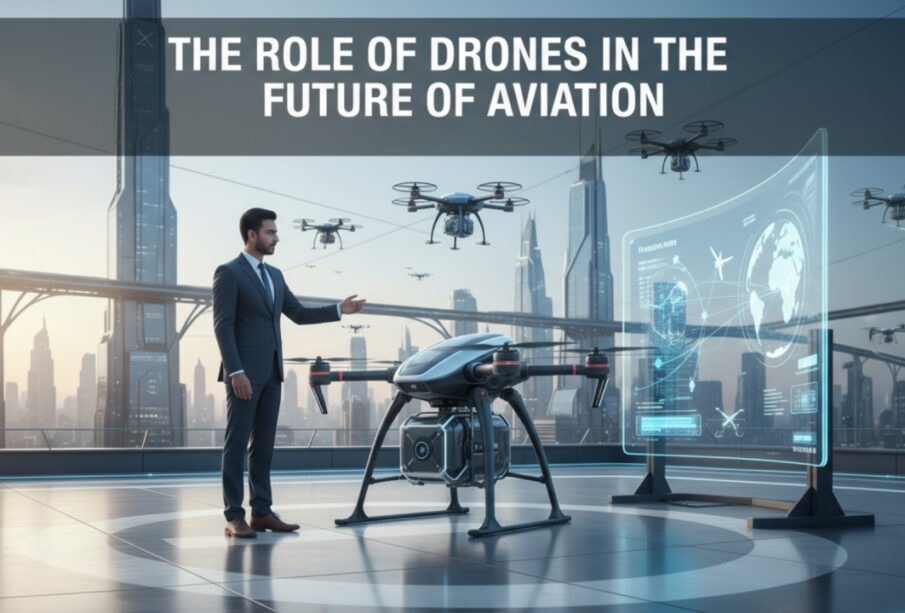
Is Sonoran Desert Institute worth it? For many students entering the drone industry, the answer depends on how well a program prepares them not just to fly, but to manage. Sonoran Desert Institute (SDI), which is accredited by the Distance Education Accrediting Commission (DEAC), teaches aviation management principles that are critical, as drones shift from hobby projects to enterprise-level operations. From detailed flight logs to preventive maintenance schedules, the foundation of aviation management applies as much to uncrewed systems as it does to traditional aircraft.
Developing these management skills prepares students to take on advanced roles in organizations that rely on drones for complex operations. By learning to oversee fleets, manage compliance and uphold performance standards, graduates move beyond being operators, to becoming leaders who can run safe, efficient and scalable drone programs. The combination of technical expertise and strategic oversight is what makes management-focused training a standout asset in the industry.
The Role of Flight Logs
Every flight leaves more than footage behind. It leaves data. Professional drone pilots are expected to record when, where and how they fly. A complete flight log includes the aircraft used, duration of flight, weather conditions, payload details and any anomalies during operation. These records are more than personal notes. They are often required for insurance coverage, legal compliance and government contracts.
In the commercial drone world, flight logs protect both operators and clients. If an incident occurs, accurate records demonstrate accountability and professionalism. The students learn to approach logging as part of a larger safety culture. For many, this reinforces why it is worth it, because the curriculum goes beyond flying to cover the documentation habits employers expect.
Fleet Management in Drone Operations
Today, many companies manage not just one drone, but entire fleets of aircraft, batteries and sensors. Overseeing a fleet involves scheduling flights, rotating equipment and keeping each drone properly maintained. In some organizations, fleet managers also lead multiple pilots, coordinate data workflows, and monitor compliance across projects.
Drone fleet management borrows heavily from crewed aviation. Just as airlines manage aircraft rotations and crew schedules, commercial drone programs require structure. It incorporates aviation management into its coursework to prepare students for these challenges. For graduates entering industries like construction, agriculture or energy, it provides the tools needed to step into roles that require leadership, as well as technical ability.
Regulatory Compliance
The Federal Aviation Administration (FAA) regulates all drones, whether used recreationally or commercially. Remote pilots must understand Part 107 rules, airspace classifications and new requirements, like Remote ID. Local and state regulations may also affect where and how drones can take off, land and operate. Staying current with these developing regulations is essential, as compliance not only avoids legal issues, but also builds trust with clients and communities. A strong grasp of both federal and local rules allows operators to plan confidently and demonstrate professionalism in every flight.
Staying compliant is a moving target. Regulations change as technology advances, and operators must stay informed to avoid fines or legal disputes. SDI emphasizes compliance throughout its uncrewed technology programs. Students study airspace law, risk management and best practices for operating within legal boundaries. For those who asked early on if investing in Sonoran Desert Institute is worth it, the answer often comes when they graduate, prepared to meet both federal and local requirements.
Maintenance Scheduling
Scheduling maintenance is as critical as staying compliant with regulations. Even though drones are smaller than airplanes, they demand the same level of care for reliability. Regular preventive maintenance helps operators prevent costly breakdowns, safeguard equipment and maintain safety.
Battery management is one of the most critical areas. Lithium-polymer batteries must be charged, stored and rotated correctly to extend their lifespan, and reduce fire risks. Propellers need inspection for cracks or wear, while motors and mounts must be checked after heavy use. Firmware updates are also part of maintenance, keeping drones running with the latest stability and safety enhancements. Students learn to approach maintenance as a core discipline, rather than an afterthought. Many graduates credit this structured approach as a key reason the investment was worthwhile, as it instilled habits that directly support professional reliability.
How SDI Prepares Students
The programs introduce aviation management, alongside technical coursework in uncrewed systems.
- The Certificate in Uncrewed Technology – Aerial Systems (16 credits) covers aviation fundamentals, sensors, risk management and FAA Part 107 prep in a single 20-week semester.
- The Associate of Science in Uncrewed Technology (60 credits) expands into GIS, thermography, project management and advanced aviation management principles.
Both programs are fully online and tailored for working adults, military learners and those changing careers. DEAC accreditation adds credibility, while project-based assignments reflect real-world industry practices. For students wondering about the program’s value, it lies in the blend of affordability, flexibility and career-focused training.
Student Outcomes and Perspectives
Career outcomes show how aviation management training translates into opportunities. Graduates have taken roles as fleet managers for construction firms, compliance officers in energy companies, and drone program leaders in public safety agencies. One graduate reflected, “When I started, I knew how to fly drones, but not how to manage them at scale. I wondered if the Sonoran Desert Institute was worth it. After finishing the associate program, I was able to oversee a drone fleet for an engineering firm, and the management skills I learned made the difference.”
Structured education can take students beyond hobby flying into leadership and specialized careers. The uncrewed aviation industry is expanding quickly, and with it comes the need for structured management. Flight logs, compliance, maintenance and fleet operations are not optional. They are essential for any professional drone program.
“Is Sonoran Desert Institute worth it?” The answer shows up in preparation. Graduates gain both technical and management skills, equipping them for roles that require accountability and expertise. With accredited programs, online accessibility and hands-on, project-based training, SDI offers education that extends far beyond hobby flying. For those ready to oversee not just individual flights, but entire fleets, SDI demonstrates its value as a gateway to professional success in the uncrewed aviation industry.