Ground Control to Air Safety: Sonoran Desert Institute Makes the Case for Local Drone Oversight
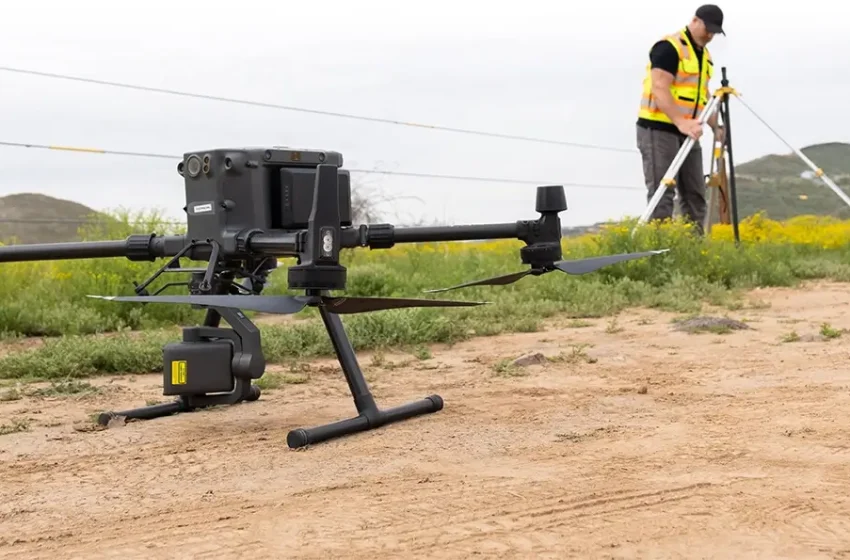
Drones are becoming an increasingly common presence in both recreational and commercial airspace, raising important questions about who should regulate their use and how. While the Federal Aviation Administration (FAA) retains primary authority over U.S. airspace, local governments have a growing role in addressing safety, privacy and public order concerns that drones present at the community level. Sonoran Desert Institute (SDI), accredited by the Distance Education Accrediting Commission (DEAC), offers comprehensive online coursework in uncrewed technology, equipping students with knowledge in drone operations, safety protocols and regulatory compliance. As drone technology continues to develop, creating balanced approaches that reflect both federal oversight and local priorities is increasingly vital.
Rather than viewing federal authority and local governance as competing forces, cities and municipalities can serve as proactive partners in shaping a responsive regulatory landscape. With their deep understanding of local needs, geography and community concerns, municipalities are well-positioned to manage aspects of drone operations, beyond the federal scope. Collaborative frameworks that unite local governments and federal agencies offer a promising path toward ensuring air safety, while honoring local autonomy.
The Limits of a One-Size-Fits-All Model
The FAA governs drones at the national level, establishing guidelines for airspace use, commercial licensing and flight restrictions. This centralized model often fails to address the distinct challenges posed by drones in densely populated urban areas, environmentally sensitive zones or areas with high-security concerns. Local authorities are typically the first to hear complaints about drone noise, privacy invasion,or interference with emergency operations.
Municipalities often face legal roadblocks when trying to pass local drone ordinances, as federal regulations limit their control over airspace. Yet as drones become more common, there’s a growing need for local insight to complement national policy. Giving cities the ability to set rules for drone use near sensitive areas like schools, parks or hospitals could lead to smarter enforcement, and protections that better reflect the needs of their communities.
Working Together Without Overreach
The goal isn’t to create conflicting sets of rules, but to build coordinated, complementary approaches. Federal agencies can set broad standards and provide technical oversight, while local governments contribute through enforcement, land-use planning and community outreach. Together, these partnerships can clarify responsibilities, ease jurisdictional tensions and create a more flexible, responsive regulatory framework.
For instance, a city could work with the FAA to identify no-fly zones or temporary restrictions during events, without waiting for broad federal action. Local law enforcement can also assist with enforcing drone-related violations, such as reckless flying or intrusion into restricted zones. These shared responsibilities streamline compliance, while preserving the federal government’s authority over navigable airspace.
Leveraging Local Knowledge
City officials’ in-depth understanding of local contexts enables them to develop drone regulations that address specific community needs and concerns. From high-traffic pedestrian zones to local festivals and emergency response protocols, municipalities have detailed knowledge that should inform drone regulations. When local governments are left out of the policymaking process, they’re forced to respond after the fact instead of helping prevent issues, before they arise.
A collaborative model would allow cities to tailor enforcement strategies based on local context. For example, coastal towns with heavy tourism might impose seasonal guidelines for drone usage to protect wildlife and visitor safety. Agricultural communities may seek regulations that safeguard crops or livestock. These types of focused measures, developed in cooperation with federal authorities, ensure more relevant protections.
Public Safety and Emergency Use
Drones serve many useful purposes in public safety, including search-and-rescue operations, surveillance and traffic monitoring. Municipalities are already integrating drones into police, fire and emergency medical services. This growth demands clear guidelines and coordinated efforts to avoid misuse and operational conflicts.
SDI offers online coursework that provides comprehensive education on air safety practices and legal frameworks, giving those involved in drone policy and enforcement the tools they need. Technical expertise must be paired with public awareness and responsible governance. Cities that invest in training their teams and collaborate closely with federal agencies are better equipped to integrate drones safely and ethically into emergency services.
Building Trust Through Transparency
Active participation of local communities in drone regulation creates transparency and builds public trust in the safe and responsible use of drones. Residents are more likely to engage in policy discussions when they can voice concerns directly to local officials. Municipal governments are better equipped to host forums, surveys and town hall meetings to gather public feedback. This participatory approach leads to more informed decision-making and a stronger social license for drone operations.
Transparency also helps dispel misconceptions. Not all drone activity is intrusive or dangerous, but a lack of visible regulation may lead to public anxiety. When cities visibly participate in shaping and enforcing drone policies, it reassures residents that concerns are being taken seriously.
Legal Considerations and Model Frameworks
The balance between federal preemption and local autonomy remains a legal tightrope. Still, there are examples of successful cooperation. Several cities have created advisory committees composed of local stakeholders, drone experts and FAA liaisons to shape regulation in a way that respects all jurisdictions. These efforts result in model ordinances that can be tailored, without conflicting with federal law.
Establishing Memoranda of Understanding (MOUs) with the FAA allows cities to define communication protocols and collaborative actions, enhancing the effectiveness of drone regulation. States can serve as effective mediators, providing guidance that balances federal goals with local needs, ensuring municipal actions stay aligned, while accommodating regional differences.
Educational Opportunities and Workforce Development
With drones becoming a standard tool across industries, there is a growing need for trained operators, technicians and regulatory professionals. Educational institutions, such as community colleges and technical institutes, are offering drone-related coursework to meet the growing demand for skilled professionals in the UAS industry. Municipalities can support these efforts by identifying workforce gaps and partnering with institutions to fill them.
Training and education can be essential as more cities integrate drones into operations and enforcement. A workforce that understands the technological, legal and ethical dimensions of drone usage can be better equipped to support balanced and effective regulation.
A Coordinated Path Forward
Bringing local governments into the drone regulatory process works hand-in-hand with federal oversight to create smarter, more practical rules. Federal agencies get important input and help from cities on the ground, while municipalities gain access to federal expertise and resources that make it easier to put policies into action.
Rather than operate in silos, federal and local entities can build bridges through advisory groups, educational initiatives and enforcement cooperation. These partnerships create an adaptable, community-focused model of governance that keeps pace with fast-moving technology.
Municipalities are not trying to take control of the skies. They are simply asking for a seat at the table, and a chance to address the real-world impacts of drones on the communities they serve. The case for local involvement in drone regulation is not just about autonomy but also about accountability, safety and relevance.