The Best Travel Gadgets for Frequent Travelers
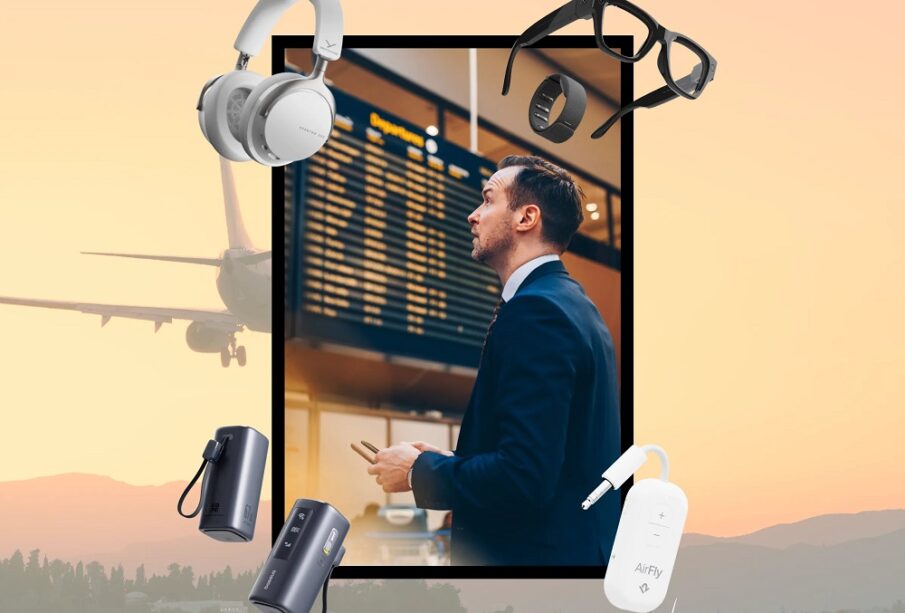
Frequent travel presents a unique set of challenges. Whether navigating high-traffic airport terminals, managing back-to-back cross-country flights, or working remotely from hotel lobbies, modern road warriors depend on reliable tools to maintain productivity and comfort. The difference between a stressful journey and a seamless travel experience often comes down to the technology in your carry-on bag.
Today’s travel gadgets go far beyond basic convenience; they solve real operational friction. From eliminating cable clutter to keeping sensitive hardware powered through long layovers, curated technology allows frequent flyers to turn transit time into productive hours. Here is an in-depth guide to the best travel gadgets every frequent traveler should keep in their pack.
Essential Power and Connectivity Solutions
Unreliable power outlets and dead batteries are among the most common disruptions during long-distance travel. Equipping yourself with versatile charging gear ensures your smartphones, laptops, and accessories remain operational anywhere in the world.
Multi-Port Gallium Nitride (GaN) Fast Chargers
Traditional silicon chargers are bulky, heavy, and inefficient. Gallium Nitride (GaN) wall chargers have revolutionized portable power by delivering ultra-high wattage in a fraction of the physical size.
A single 65-watt to 100-watt GaN charger equipped with multiple USB-C ports can replace separate power bricks for your laptop, tablet, phone, and wireless earbuds simultaneously. Because hotel rooms and airport lounges often feature limited wall outlets, a compact multi-port GaN charger allows you to power your entire mobile office from a single plug.
TSA-Approved High-Capacity Power Banks
A high-capacity external battery pack is an absolute necessity when access to wall outlets is unavailable. When selecting a power bank for air travel, capacity and power delivery specifications are key factors.
-
Battery Capacity Standards: Look for battery packs between 10,000 mAh and 20,000 mAh. These capacities provide multiple full phone recharges or emergency power for a laptop while remaining well under the Transportation Security Administration (TSA) limit of 100 watt-hours for carry-on luggage.
-
USB Power Delivery (PD): Ensure the power bank supports fast-charging protocols via USB-C, allowing you to charge modern smartphones to 50 percent capacity in roughly 30 minutes.
-
Magnetic Wireless Options: Compact magnetic power banks that attach directly to the back of your phone offer cord-free charging while navigating crowded terminals.
Universal Travel Plug Adapters
International business travel requires navigating diverse electrical socket configurations across different continents. A universal travel adapter consolidates various plug formats into a single, compact unit.
The best modern universal adapters feature built-in USB-C and USB-A ports alongside standard AC pass-through outlets. This design allows you to charge smartphones and cameras directly from the adapter without needing to attach secondary wall chargers. Look for models equipped with built-in fuse protection and multi-region sliders covering North America, Europe, the United Kingdom, Australia, and Asia.
Portable Wi-Fi Hotspots and Global eSIM Devices
Public Wi-Fi networks in airports and cafes are notoriously slow, unreliable, and vulnerable to security risks. Portable Wi-Fi hotspots and digital eSIM-enabled devices provide encrypted, high-speed cellular data across dozens of countries without requiring local physical SIM cards.
Global mobile hotspots allow you to connect multiple devices—including laptops, tablets, and smartphones—to a single private network. For travelers who prefer minimal gear, software-based eSIM platforms allow you to download international data plans directly to compatible smartphones before landing at your destination.
In-Flight Audio and Noise Management Tools
Cabin noise, engine hum, and loud ambient environments cause mental fatigue during transit. Investing in high-performance audio gadgets protects your focus and ensures restful flights.
Active Noise-Canceling (ANC) Headphones and Earbuds
Active noise-canceling technology uses external microphones to sample ambient environmental sound and generate inverse audio waves, effectively neutralizing low-frequency sounds like jet engine roar.
-
Over-Ear Headphones: Over-ear models offer the highest level of passive sound isolation and physical comfort during multi-hour long-haul flights. They typically deliver battery life ranging from 20 to 30 hours on a single charge.
-
True Wireless Earbuds: In-ear ANC earbuds provide incredible portability, fitting easily into a coat pocket. Modern wireless earbuds offer powerful noise cancellation, transparency modes for hearing flight announcements, and compact wireless charging cases.
In-Flight Bluetooth Audio Transmitters
While airlines continue to update their cabins, many aircraft entertainment systems still rely on standard 3.5mm wired headphone jacks. An in-flight Bluetooth audio transmitter bridges the gap between older seatback screens and your personal wireless headphones.
By plugging a compact transmitter into the airplane seat’s audio jack, you can pair your wireless ANC headphones or earbuds instantly. High-end transmitters support dual-pairing functionality, allowing two travelers to watch the same movie simultaneously using separate Bluetooth headsets.
Smart Tracking and Luggage Security Gadgets
Lost luggage and security vulnerabilities can ruin a travel itinerary. Modern location-tracking accessories offer peace of mind by keeping real-time tabs on your gear.
Bluetooth and Ultra-Wideband Item Trackers
Compact Bluetooth trackers have become non-negotiable tools for frequent flyers. Placing a tracking disc inside your checked luggage, carry-on bag, or laptop case connects your belongings to global crowd-sourced tracking networks.
If your checked bag fails to appear on the baggage carousel, smart trackers allow you to view the exact location of your suitcase on a smartphone map. This location data proves invaluable when communicating with airline baggage service desks, enabling faster recovery of misplaced luggage.
Digital Hanging Luggage Scales
Overweight baggage fees at check-in counters are expensive and frustrating. A digital hanging luggage scale eliminates guesswork when packing home-bound souvenirs or heavy equipment.
These pocket-sized devices clip directly around your bag’s top handle. Lifting the suitcase for two seconds displays the precise weight on a clear digital screen, allowing you to rebalance belongings between carry-on and checked bags before arriving at the airport.
Portable Travel Door Locks and Personal Alarms
Security considerations extend to hotel rooms and rental properties. Portable door locks install in seconds without tools, adding a physical mechanical barrier to hotel doors that prevents unauthorized entry even if someone possesses a duplicate key card.
Pairing a portable lock with a compact door-stop alarm or motion sensor provides an additional layer of security for solo travelers or those staying in unfamiliar locations.
Ergonomic and Rest Technology
Maintaining health and sleep quality while crossing time zones is essential for staying sharp during business meetings or sightseeing itineraries.
Modern Memory Foam and Inflatable Neck Support
Standard horseshoe-shaped travel pillows are often bulky and fail to provide adequate alignment. Next-generation ergonomic travel pillows utilize high-density memory foam, internal structural neck supports, or targeted inflation chambers.
Innovative designs wrap around the neck or secure directly to aircraft seat headrests, preventing painful forward head drops and lateral strain during sleep. Many models compress down into tiny travel pouches that attach directly to the exterior of your backpack.
Compact E-Readers with Adjustable Lighting
Carrying multiple physical books adds unnecessary weight and bulk to your luggage. A dedicated e-reader stores thousands of books, documents, and research papers inside a device thinner than a standard pencil.
E-ink displays mimic traditional paper, eliminating screen glare in direct sunlight and reducing eye strain during night flights. Look for models featuring adjustable warm light controls, waterproof construction, and weeks of battery life on a single charge.
Tech Organization and Cable Management Systems
Packing high-value electronics loosely inside a backpack leads to tangled cords, scratched screens, and lost adapters. Dedicated storage accessories keep your digital workspace structured.
Structured Tech Organizers
A dedicated tech pouch or organizer bag stores your cables, wall chargers, memory cards, power banks, and adapters in designated elastic loops and zippered mesh pockets.
When transitioning from an airplane seat to a conference room desk, pulling out a single tech pouch ensures all your essential connectivity gear is organized and immediately accessible. Look for pouches made from weather-resistant fabrics with clamshell openings for full visibility.
Magnetic and Coiled Fast-Charging Cables
Standard charging cables tangle easily and degrade over time. Magnetic self-coiling cables or durable braided nylon cords resist tangling and withstand severe bending.
Investing in multi-head charging cables—featuring interchangeable USB-C, Lightning, and Micro-USB tips on a single line—further minimizes the total number of individual cords you need to pack.
Strategic Guidelines for Building Your Travel Tech Kit
Selecting the right travel tech requires balancing utility against weight and physical bulk. Keep these core principles in mind when assembling your kit:
-
Embrace Cable Standardization: Transition all your electronics to devices that charge via USB-C. Standardizing your hardware allows you to carry a single cable type for your phone, laptop, camera, and headphones.
-
Prioritize Multi-Functional Gear: Choose gadgets that fulfill more than one role. A power bank with an integrated wall plug and wireless charging pad eliminates the need to pack separate chargers and cords.
-
Audit Weight Regularly: Every additional ounce adds up over long walking distances through terminals. Periodically audit your tech pouch and remove adapters, cables, or accessories you have not used on your last three trips.
-
Keep a Pre-Packed Travel Kit: Maintain a duplicate set of essential charging cords, power adapters, and health accessories inside your travel organizer at all times. Leaving your travel tech kit packed ensures you never forget critical chargers during last-minute packing.
Frequently Asked Questions
What is the maximum power bank capacity allowed on commercial flights?
Under TSA and international aviation guidelines, lithium-ion power banks must be carried in your carry-on luggage rather than checked bags. The standard maximum capacity permitted without prior airline approval is 100 watt-hours, which equates to roughly 27,000 mAh at 3.7 volts. Power banks between 100 and 160 watt-hours require explicit airline approval, while anything over 160 watt-hours is prohibited.
How do Gallium Nitride (GaN) chargers differ from traditional silicon chargers?
GaN chargers utilize gallium nitride instead of traditional silicon for their semiconductor components. Gallium nitride conducts electrical current far more efficiently and produces less operational heat. This efficiency allows manufacturers to place components closer together, resulting in chargers that are significantly smaller, lighter, and faster than older power bricks.
Can in-flight Bluetooth audio transmitters be used on any airplane?
Yes, in-flight Bluetooth transmitters plug into standard 3.5mm headphone jacks found on almost all commercial aircraft entertainment screens. Most transmitters include single-pin and dual-pin adapters, ensuring full compatibility across older legacy fleets and modern long-haul aircraft.
Is it better to use an eSIM or a physical local SIM card when traveling abroad?
For convenience and speed, an eSIM is generally superior because you can purchase and activate a digital data plan on your smartphone before departing or upon arrival without visiting a retail kiosk. However, physical local SIM cards purchased at your destination can occasionally offer higher local data allowances at lower price points in select countries.
How do Bluetooth luggage trackers function when out of range of your personal phone?
Smart luggage trackers communicate with broader crowd-sourced networks of nearby smartphones. When a tracked bag passes near any smartphone connected to the network—such as an airport baggage handler’s phone—the tracker securely and anonymously relays its location to the cloud, updating the bag’s coordinates on your personal app map.
Why should travelers avoid using public USB charging stations in airports?
Public USB ports in airports, train stations, and public venues pose potential cybersecurity risks, known as juice jacking. Compromised USB ports can transfer malware to your connected device or copy sensitive data while charging. To stay secure, charge your devices using your own wall adapter plugged into an AC outlet, or use a dedicated USB data blocker adapter.
What are the advantages of using a single multi-port high-wattage wall charger?
A single multi-port charger eliminates the need to pack multiple proprietary power bricks for your phone, laptop, and tablet. It saves physical space in your luggage, reduces overall kit weight, and allows you to charge all your personal electronics from a single wall socket in hotel rooms with limited outlets.