
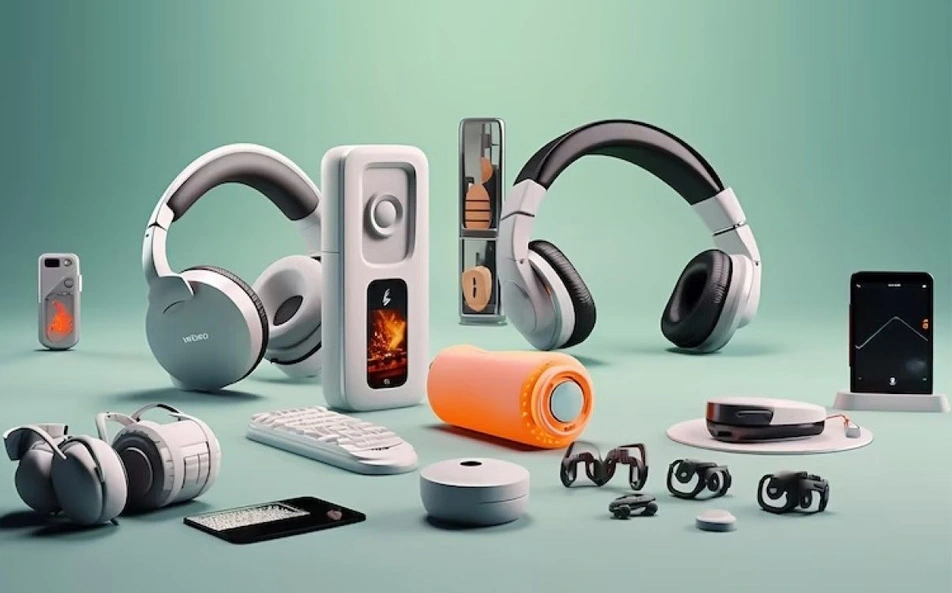
Introduction: Small Devices, Vast Impact
It is no exaggeration to say that gadgets have become the silent architects of contemporary life. From the unassuming smartwatch tracking our sleep to the sleek smartphone linking us to the farthest corners of the world, these compact devices are more than just tools—they are extensions of our minds, habits, and aspirations. In the vast realm of technological progress, gadgets stand out for their remarkable ability to make complex functions feel effortless and everyday tasks more efficient, entertaining, or even delightful.
What Defines a Gadget?
A gadget, by definition, is a small mechanical or electronic device with a specific purpose and often a novel or ingenious design. It could be something as simple as a digital kitchen scale that ensures culinary precision, or as sophisticated as noise-cancelling wireless earbuds that turn a bustling subway ride into a moment of tranquil solitude. What unites them all is their core promise: to make life a bit easier, a touch more convenient, or distinctly more engaging.
A Brief History: From Mechanical Marvels to Smart Companions
Gadgets are hardly a modern invention. In the 19th century, ingenious pocket watches, telegraphs, and gramophones dazzled society with their innovation. The 20th century introduced the world to the transistor radio, Polaroid camera, and the Walkman—each a symbol of its era’s creativity and desire for portable solutions.
The dawn of the digital age propelled gadgets into a new stratosphere. The personal computer shrank from a room-sized machine to a desktop device, then a laptop, and now a tablet or foldable phone. Today’s gadgets are no longer just objects of curiosity but indispensable companions shaping how we work, learn, communicate, and entertain ourselves.
The Modern Gadget Landscape: Ubiquitous and Evolving
Look around any modern household or workspace, and you’ll find an ecosystem of gadgets quietly fulfilling diverse roles. Some of the most prevalent categories include:
-
Smartphones: Perhaps the most transformative gadget of all, a smartphone is not merely a phone but a camera, map, music player, wallet, and portable office all rolled into one.
-
Wearables: Fitness bands, smartwatches, and even smart rings monitor health metrics, deliver notifications, and sometimes detect medical anomalies before they become emergencies.
-
Smart Home Devices: Voice-activated assistants, smart thermostats, video doorbells, and robotic vacuum cleaners bring automation and comfort to daily life.
-
Entertainment Gadgets: Tablets, e-readers, handheld gaming consoles, and wireless speakers redefine how we consume books, games, and music.
-
Personal Productivity Tools: Noise-cancelling headphones, digital pens, and portable hard drives cater to students, creatives, and professionals alike.
The Allure: Why We Love Our Gadgets
What makes gadgets so irresistible? Beyond their practical utility, they tap into deeper human desires:
-
Convenience: They simplify complex tasks—whether that’s navigating traffic, translating foreign languages, or paying bills in seconds.
-
Portability: Designed for life on the move, gadgets pack impressive capabilities into pockets and bags.
-
Connectivity: Gadgets keep us plugged into our social, professional, and entertainment networks, anywhere and anytime.
-
Novelty: There’s a thrill in unboxing something new—a fresh blend of design, technology, and possibility.
The Double-Edged Sword: Challenges and Concerns
Yet, our love affair with gadgets is not without complications. Their proliferation raises important questions about balance, ethics, and sustainability.
-
Dependency: As gadgets become more integrated into daily life, there’s a risk of overreliance—think of how a day without a smartphone can feel unsettlingly incomplete.
-
Privacy: Smart gadgets often collect personal data. From voice assistants that listen to conversations to fitness trackers logging intimate health information, privacy safeguards are more crucial than ever.
-
Environmental Impact: The rapid pace of innovation encourages constant upgrades, creating mountains of electronic waste and driving unsustainable mining for rare earth elements.
-
Social Disconnection: Ironically, gadgets meant to connect us sometimes pull us away from meaningful, in-person interactions.
The Future: Smarter, Smaller, More Intuitive
As technology continues to advance, so too will the nature of gadgets. Several trends point to what lies ahead:
-
Integration with AI: Gadgets are increasingly capable of learning user habits and preferences. A smart fridge might order groceries automatically, while augmented reality glasses could overlay helpful information in real time.
-
Sustainability by Design: Forward-thinking brands are developing modular gadgets that can be repaired, upgraded, or recycled more easily to combat electronic waste.
-
Wearable and Invisible Tech: From biometric tattoos that monitor health to earbuds that act as instant translators, the gadgets of tomorrow may become so discreet that they blend seamlessly into our bodies and environments.
-
Greater Interoperability: The future is about ecosystems—gadgets that communicate with each other effortlessly, creating a personalized, adaptive digital environment.
How to Choose Gadgets Wisely
Given the flood of shiny new releases, how does one make mindful choices? Consider these guidelines:
-
Purpose over Hype: Ask whether the gadget genuinely addresses a need or simply adds clutter.
-
Longevity: Look for products with solid build quality, reputable support, and the potential for software updates.
-
Privacy and Security: Prioritize gadgets from companies that are transparent about data collection and offer robust privacy controls.
-
Sustainability: Support brands that use recycled materials, offer trade-in programs, or design products for easy repair.
Conclusion: Tools of Possibility
At their best, gadgets are not mere toys or distractions—they are tools of possibility. They amplify our abilities, fuel our curiosity, and add touches of magic to mundane routines. The challenge for us, the users, is to wield them consciously: to embrace their convenience without letting them erode our presence, to enjoy their innovation without fueling endless consumerism.
As we charge our devices each night and slip them into pockets each morning, we carry more than metal and glass—we carry the distilled brilliance of countless engineers, designers, and dreamers who dared to imagine a world where the extraordinary becomes ordinary.
The true marvel of gadgets is not just in what they can do, but in what they free us to do better, faster, and more imaginatively. And that, more than any sleek design or clever feature, is what makes our clever companions so enduringly remarkable.



-

Step by step instructions to Choose a Good Website Design Service
December 14, 2018 -

Factors To Consider When Choosing A Video Game Developer
November 6, 2022 -

Latest Posts
-

-

How to Build Secure and Scalable Web Services
July 18, 2026 -

The Role of Web Services in Cloud Computing
July 15, 2026 -

-

The Unexpected Ways Technology Is Transforming Society
June 22, 2026
Recent Posts
- Is Sonoran Desert Institute Worth It for Remote Pilot Preparation? August 4, 2026
- How to Build Secure and Scalable Web Services July 18, 2026
- The Role of Web Services in Cloud Computing July 15, 2026
- Technology-Driven Growth: The Secret Behind Market Leaders June 30, 2026
- The Unexpected Ways Technology Is Transforming Society June 22, 2026
Categories
- Artificial intelligence (1)
- Business (16)
- Computer (11)
- Featured (4)
- Gadget (9)
- Internet (7)
- News (2)
- SEO (7)
- Social Media (7)
- Software (10)
- Technologies (84)
- Web Service (13)